
Crane and Climbing Services
Removing Trees That Standard Equipment Cannot Reach
Crane and Climbing Services in Mobile for trees near structures, power lines, or confined spaces
When a tree grows too close to your home, wraps roots around foundation lines, or towers over power service drops, standard removal methods create more risk than they solve. Chappell tree service handles crane-assisted removal and professional climbing for complex situations where access is limited, structures are threatened, or conventional cutting would cause collateral damage. Each method addresses specific site constraints that make typical rigging unsafe or impossible.
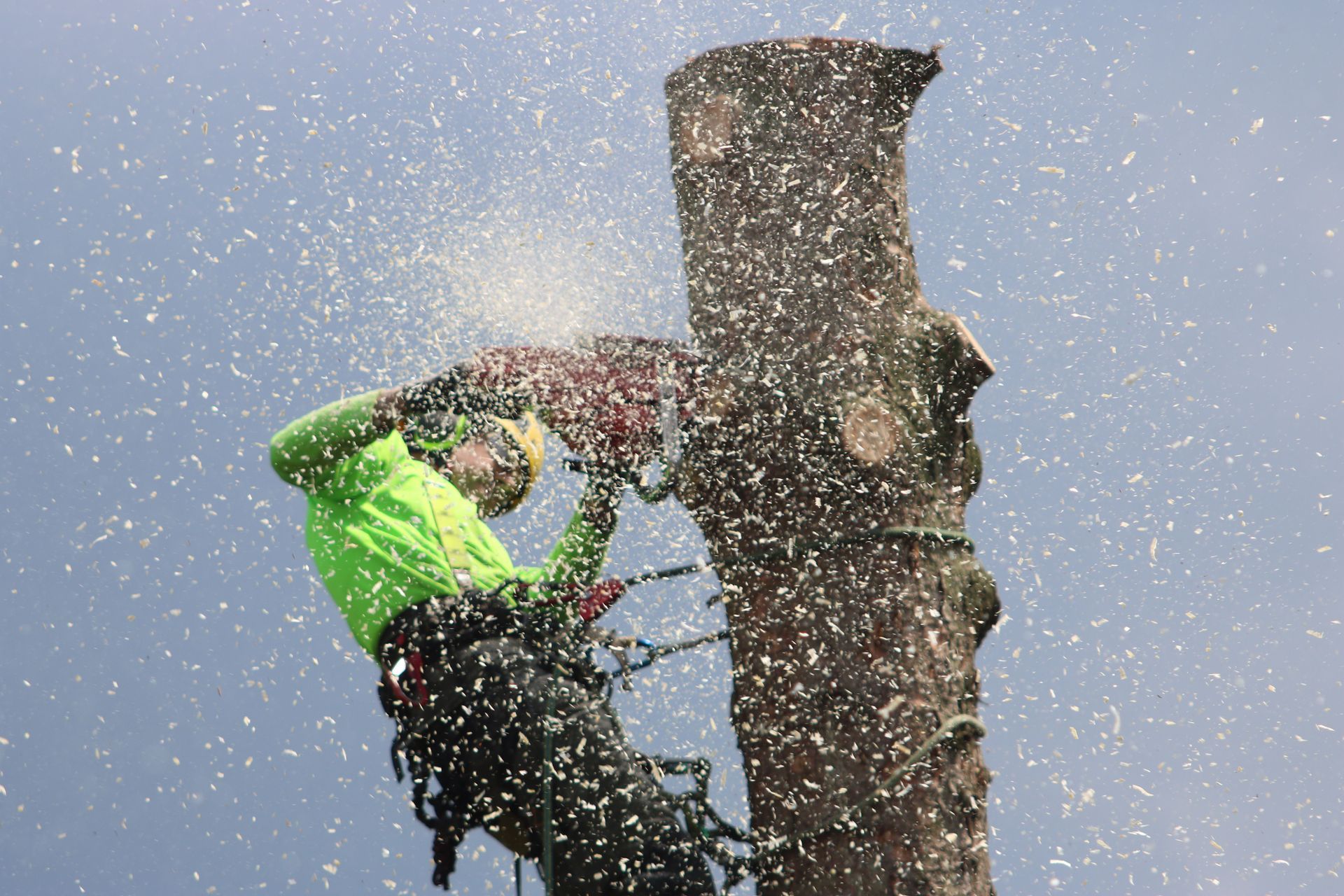
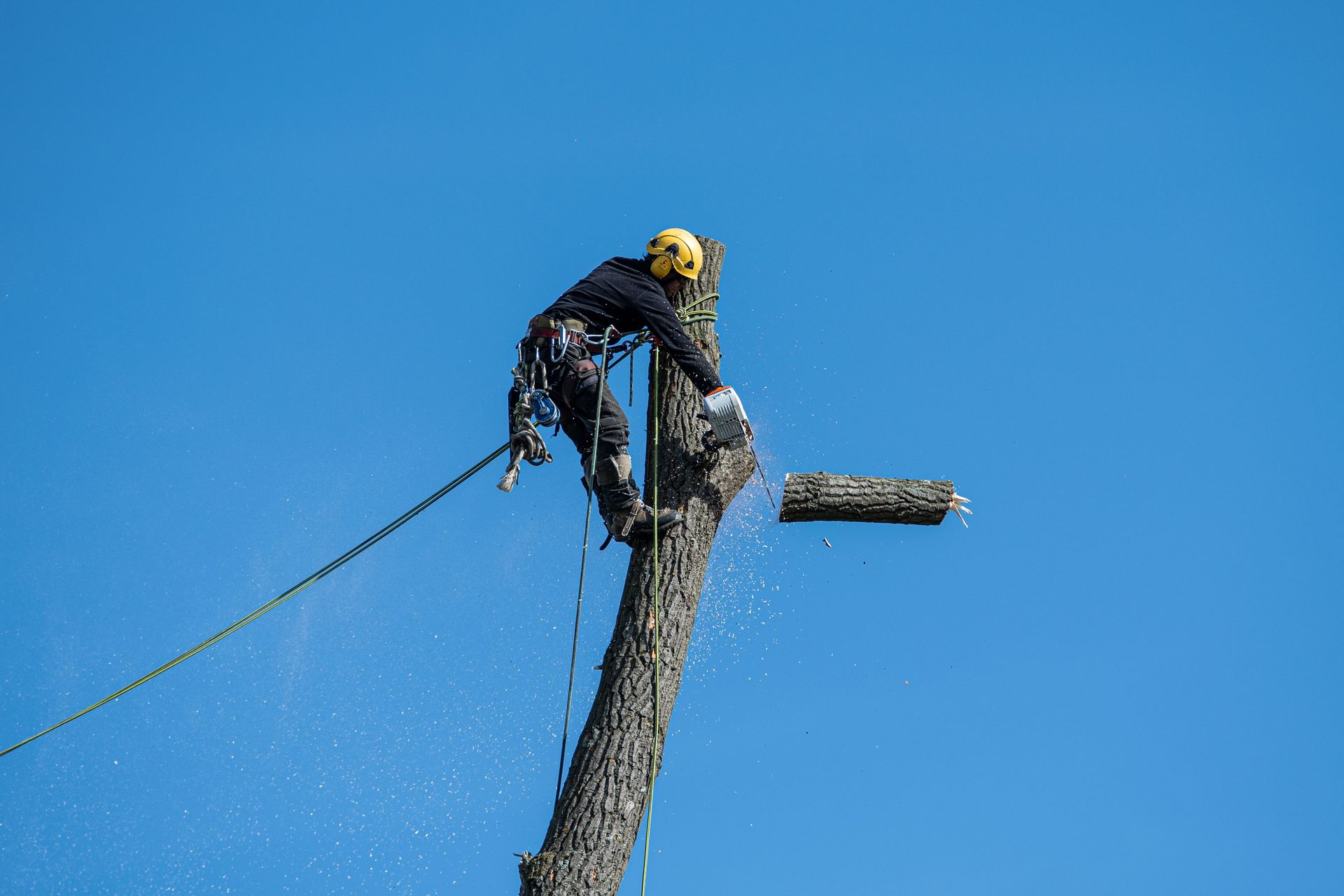
Crane-assisted removal involves positioning a hydraulic crane to lift sections of the tree vertically away from structures before lowering them to a safe staging area, bypassing the need for traditional felling or rigging through tight spaces. Climbing removal uses roped ascent and sectional dismantling from the top down, controlling each piece through friction hitches and lowering devices when overhead clearance exists but ground access does not. The method chosen depends on tree height, proximity to obstacles, soil stability for crane outriggers, and whether power lines cross the work zone.
Schedule a property evaluation to identify specific access constraints and determine which removal method fits your site conditions.
What Each Removal Method Accomplishes
Crane removal addresses situations where trees lean heavily toward structures, where limbs extend over rooflines, or where root plates have destabilized and the tree could shift unpredictably during cutting. The crane operator and climber work in coordinated lifts, with the climber securing each section to the crane's rigging before making the cut, ensuring the piece never falls or swings into the exclusion zone around your home or utility lines.
Once the crane lifts a section clear, you notice immediate changes in light exposure, roof access, and clearance around structures that were previously shadowed or crowded by canopy mass. Climbing removal produces similar outcomes but relies on controlled lowering through rope systems rather than vertical lifting, which works when lateral space exists below the canopy but ground equipment cannot maneuver into position. Both methods leave the site clear of hazardous trees without damage to nearby structures, fencing, or landscape features that would be at risk during conventional felling.
Equipment involved in crane operations includes hydraulic boom trucks with lift capacities matched to tree section weight, rigging slings rated for dynamic loads, and stabilizing outriggers that distribute crane weight across soil or pavement. Climbing operations require friction hitches, static climbing lines rated for fall arrest, lowering devices that control descent speed, and sectional cutting to keep piece weight within the rope system's safe working load limits.
Questions Before Starting Complex Removals
Property owners in Mobile often ask about site access, equipment footprints, and what distinguishes emergency situations from planned removals.
- What determines whether crane removal or climbing is used? Site access drives the decision—crane removal requires level ground for outrigger placement and clearance for boom extension, while climbing is used when trees are accessible from above but ground space is restricted by fencing, landscaping, or adjacent structures.
- How much space does a crane need to operate safely? Outrigger pads typically extend eight to twelve feet from the truck centerline, and the boom requires a swing radius clear of overhead wires, with the total footprint varying based on tree height and the crane's lift capacity.
- What qualifies as a hazardous tree that requires specialized removal? Trees with visible lean toward structures, those with root plate movement, limbs resting on rooflines, or trunks within ten feet of primary power lines generally require crane or climbing methods to prevent uncontrolled falls during cutting.
- When is climbing preferred over crane-assisted removal? Climbing works best when the tree has a sound trunk capable of supporting ascent rigging, when canopy sections can be lowered through open vertical space, and when site conditions prevent crane positioning but allow rope anchor points in adjacent trees or ground-based winch systems.
- What happens to the wood after sections are removed? Wood is typically sectioned into manageable lengths for removal from the site, with options for leaving cut rounds for firewood or complete haul-away depending on your preference and what was agreed during the initial consultation.
Chappell tree service evaluates access limitations, equipment requirements, and site-specific risks before selecting the removal method that protects your property while addressing the hazard. Arrange an on-site consultation to review tree positioning, clearance zones, and the approach that fits your conditions.